I. Basic Classification and Core Functions of ESD Static Equipment
ESD (Electrostatic Discharge) equipment refers to a system of devices used to prevent, detect, or Eliminate static electricity. Based on application levels, it can be divided into three categories: basic protective equipment, testing equipment, and specialized protective equipment, covering the full range of needs from daily anti-static protection to professional scenarios.
(1) Basic Protective Equipment: Core Tools for Daily Anti-Static Protection
Basic protective equipment serves as the "first line of defense" in ESD systems, primarily used for daily static discharge from personnel, workbenches, tools, etc., to prevent static accumulation.
Wrist Straps/Ankle Straps: Connect the human body to the ground via conductive straps to discharge static electricity from the human body. Core parameters include resistance value (normal range: 1MΩ~10MΩ, ensuring safe discharge without damaging equipment) and material (conductive fibers + elastic fabric, balancing comfort and conductivity). Key selection considerations: ① Compliance with ANSI/ESD S20.20 standards; ② Direct contact between the strap and skin (metal buckle without insulation layer) to avoid loose wearing.
Anti-Static Matting/Flooring: Laid on workbenches or floors, conducting static electricity to the grounding system through a conductive layer. Core parameters: Surface resistance (10⁵~10⁹Ω, complying with SJ/T10694 standard); grounding resistance (≤10⁶Ω, ensuring rapid static discharge). Selection points: ① Mats must be paired with copper lugs and grounding wires (fastened with torque wrenches to prevent loosening); ② Flooring should consider wear resistance (e.g., PVC material, suitable for high-traffic workshops).
ionizing blowers: Generate positive and negative ions by ionizing air with high voltage to neutralize static electricity on object surfaces. Core parameters: Ion balance (within ±35V, ensuring effective ion neutralization); static elimination time (e.g., ≤5 seconds for 1000V→100V, for sensitive devices); coverage range (1~3 meters in diameter, selected based on workbench size). Selection notes: ① For high-humidity environments (>80% RH), choose moisture-proof models; ② For flammable and explosive areas, select explosion-proof certified (ATEX/IECEx) ionizing blowers.
Anti-Static Wrist Strap Testers: Detect whether the conductivity and resistance of wrist straps meet standards (1MΩ~10MΩ). Core parameters: Testing accuracy (within ±5%); alarm function (acoustic and optical alarm when resistance exceeds standards). Selection recommendation: Choose portable testers with self-check functions (e.g., DESCO 19787) for quick on-site testing.
(2) Testing Equipment: "Verifiers" of Anti-Static Protection Effectiveness
Testing equipment is used to regularly verify the effectiveness of ESD protection systems, ensuring compliance with industry standards (e.g., ANSI/ESD S20.20, IEC 61340).
Static Voltage Testers: Measure static voltage on object surfaces (e.g., human bodies, equipment, packaging materials). Core parameters: Measurement range (±1kV~±30kV, covering common static voltages); accuracy (within ±2.5% for laboratory-grade; ±5%~±10% for on-site grade); response time (≤1 second, capturing rapidly changing static signals). Selection points: ① For high-precision laboratory testing, choose Trek 152 (±2.5% accuracy); ② For quick on-site workshop testing, choose DESCO 19787 (portable with real-time display).
Surface resistance testers: Measure surface resistance of anti-static materials (e.g., mats, packaging bags, PCB boards). Core parameters: Test voltage (10V or 100V, complying with ANSI/ESD S4.1 standard); resistance range (10³~10¹²Ω, covering conductors, semiconductors, and insulators); accuracy (within ±5%). Selection recommendation: Choose models with automatic test voltage switching (e.g., Prostat PRS-801B) to reduce operational steps.
Ionizing Blower Testers: Detect ion balance and static elimination time of ionizing blowers. Core parameters: Ion balance measurement range (±100V); static elimination time measurement accuracy (±0.1 seconds). Selection note: Support automatic calibration (e.g., SIMCO FMX004) to ensure testing accuracy.
(3) Specialized Protective Equipment: "Customized Protection" for Sensitive Devices
Specialized protective equipment is used to protect sensitive objects such as electronic components, PCB boards, and communication interfaces from electrostatic breakdown or damage.
ESD Protection Diodes: Used for electrostatic overvoltage protection in circuits, discharging electrostatic energy to the ground with fast response (≤1ns). Core parameters: Working voltage (VRWM) (must be higher than the circuit operating voltage, e.g., 3.3V for 3.3V circuits); junction capacitance (Cj) (≤1pF for high-speed signals, e.g., USB3.0 interfaces); clamping voltage (VC) (must be lower than the IC withstand voltage, e.g., ≤25V for chips with 30V tolerance); packaging (miniaturized, e.g., SOD323, DFN0603, saving PCB space). Selection steps: ① Determine the circuit operating voltage; ② Choose unidirectional (for sinusoidal signals) or bidirectional (for differential signals, e.g., USB) based on signal type; ③ Select low capacitance based on signal speed; ④ Choose peak pulse current (IPP) based on surge current.
ESD-Sensitive Device Packaging Materials: Used for storing and transporting sensitive devices (e.g., chips, PCBs) to prevent static accumulation. Core parameters: Surface resistance (10⁸~10¹²Ω, insulating materials to prevent charge flow); friction voltage (≤100V, preventing static generation during packaging). Common types: Anti-static bags (PE + conductive fibers), anti-static foam, anti-static cartons (surface coated with anti-static layers).
Ionizing Air Guns: Used for local static elimination (e.g., PCB board, chip desoldering), blowing ions through high-pressure airflow to neutralize static electricity. Core parameters: Ion balance (within ±35V); wind speed (≥10m/s, ensuring ions reach the target area); temperature (ambient~60℃, optional hot air function for desoldering). Selection notes: ① For high-precision maintenance, choose SIMCO FMX004 (response time ≤1 second); ② For large-area desoldering, choose ion air nozzles (adjustable wind direction).
II. Key Points for ESD Equipment Selection
Match Application Scenarios: Select equipment types based on usage scenarios (e.g., basic protective equipment for workshop sites, high-precision testing equipment for laboratories, specialized protective equipment for sensitive devices).
Compliance with Standards: Adhere to industry or enterprise standards (e.g., ANSI/ESD S20.20, IEC 61340, JEDEC JS-001) to ensure equipment performance meets requirements.
Precise Parameter Matching: Select equipment parameters (e.g., operating voltage of ESD diodes, test voltage of surface Resistance Testers) based on the parameters of protected objects (e.g., operating voltage, signal speed, surge current).


 English
 Español
 Portugues
 Pусский
 Français
 Deutsch
 日本語
日本語 한국어
한국어 العربية
 Italiano
 Polski
 ไทย
ไทย Türk dili
 हिन्दी
 Indonesia
 Melayu
 Tiếng Việt
 বাংলা
বাংলা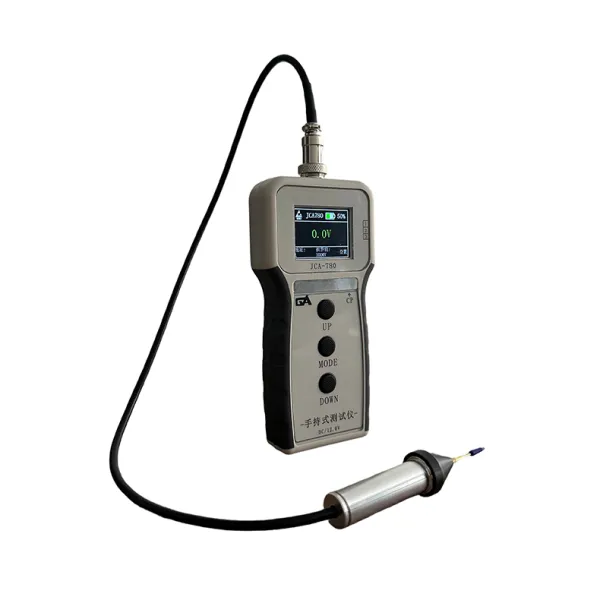 Portable Compact Isolated Conductor Tester - Precise Static Voltage Meter with Touchscreen Operation
 Touch-Operated Handheld ESD Tester - Accurate Static Detection Instrument
 Anti-Static High-Frequency Smart Soldering Station - Industrial-Grade Lead-Free Soldering Iron for Electronic Repair
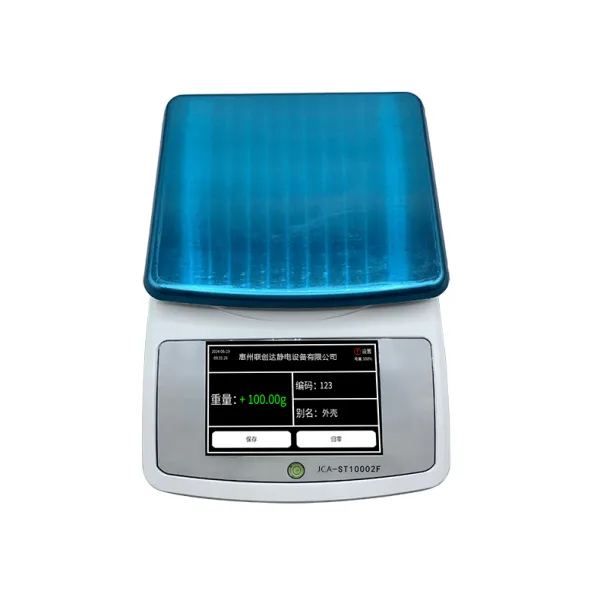 Lightweight Precision Industrial Scale - Portable High-Precision Weighing, QR Code Data Recording
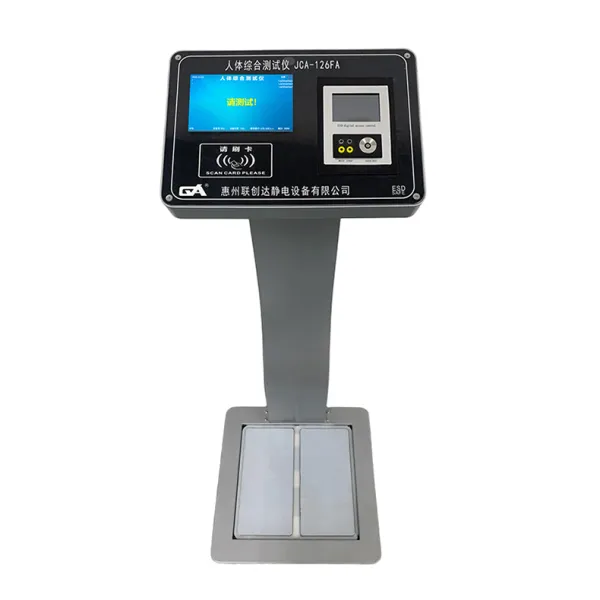 Pro ESD Human Body Comprehensive Tester - Anti-Static Access Gate with Biometric & Card Recognition
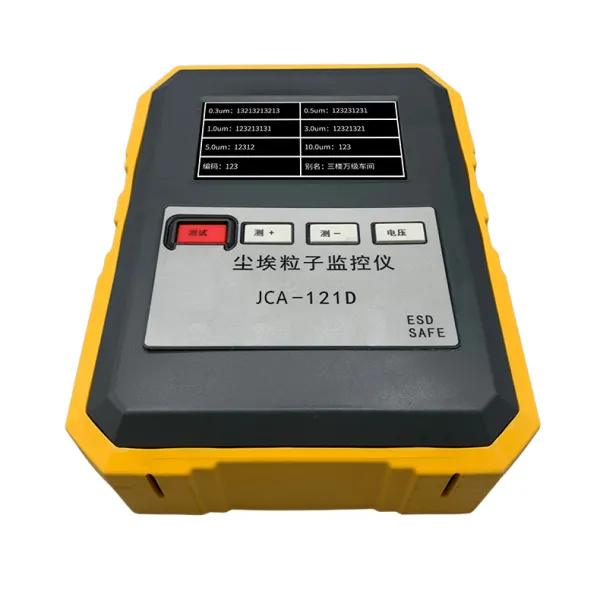 Lianchuangda Portable Particle Counter - Cleanroom-Specific Air Cleanliness Tester
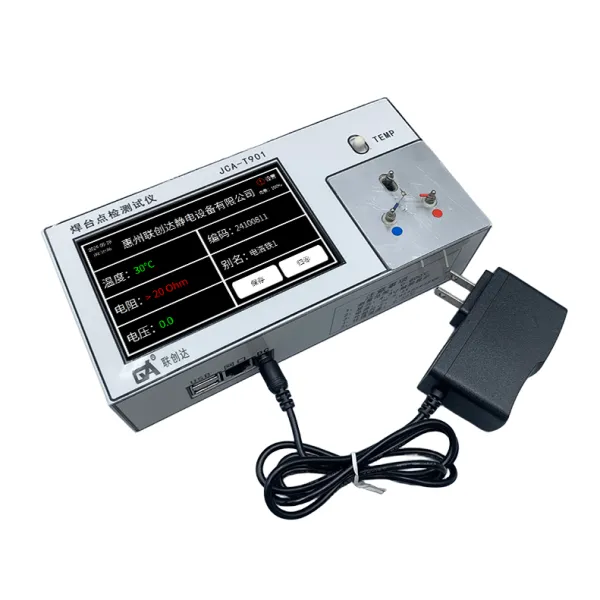 Lianchuangda Environmental Pressure Tester Wireless Digital Display & Grounding Monitoring
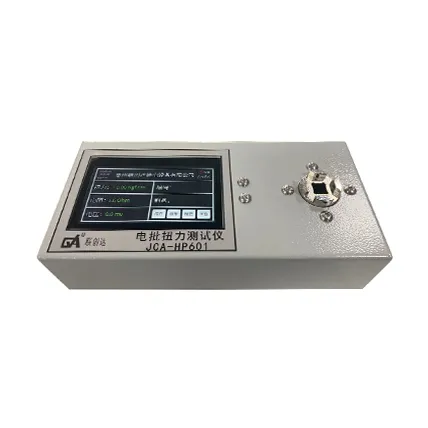 Digital Electric Screwdriver Torque Tester - Precise Measurement, Smart Data Storage
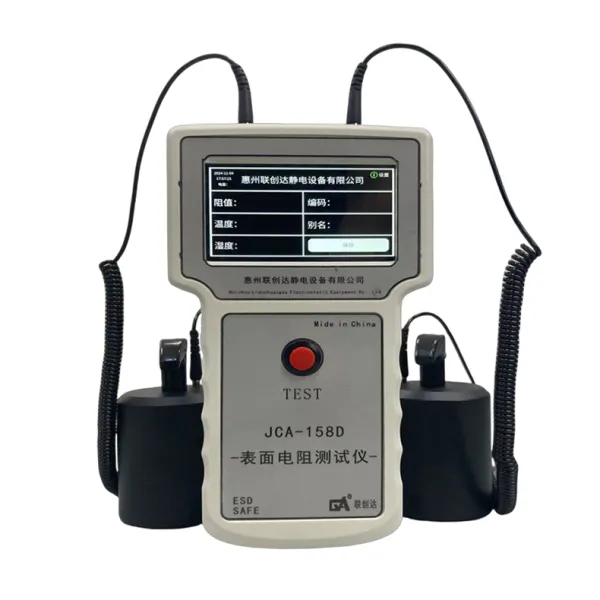 Portable Hammer Surface Resistance Tester - Smart Industrial Megohmmeter with Data Networking
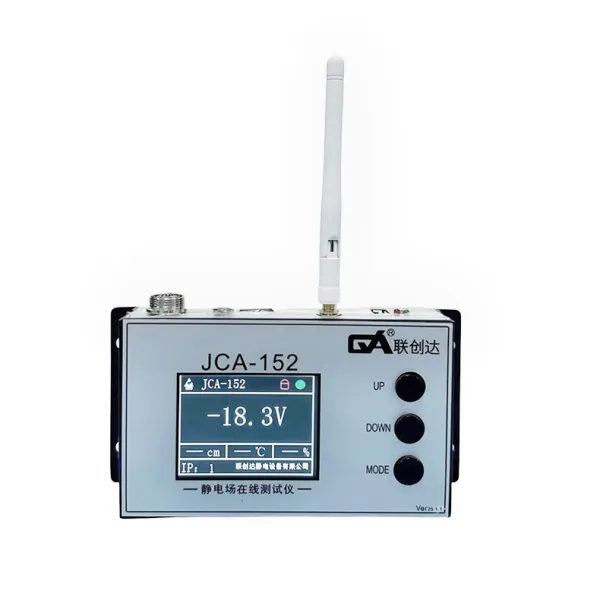 Wireless ESD Field Tester - Real-Time Voltage Monitoring, Easy Installation & Visual Operation
 Color Screen Wireless Ion Fan Static Tester with Voltage Measurement & Data Transmissio
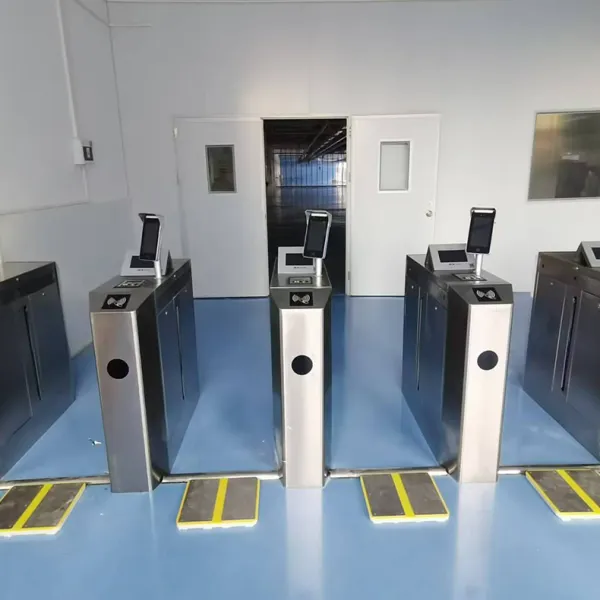 Lianchuangda Test Anti-static Access Control Turnstile JCA-S106 Supports MySQL Database
 Suspended 3-Head DC Ion Fan - Smart Quiet Static Eliminator, Customizable
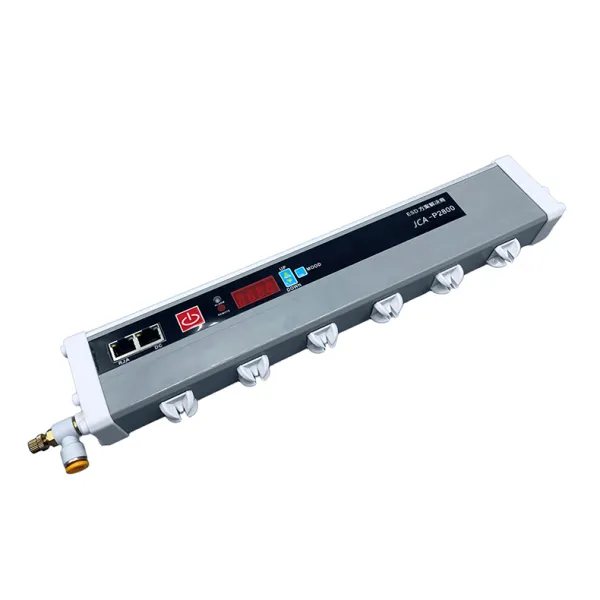 Pulse-Type ESD Ion Air Bar - Industrial-Specific Static Eliminator for ESD Removal
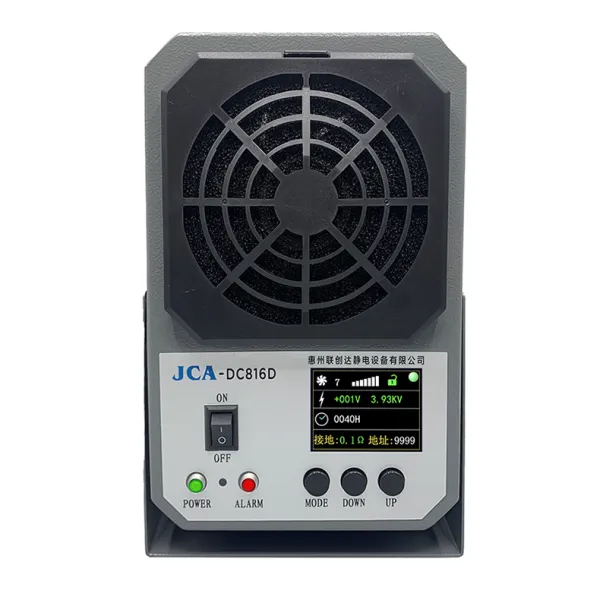 Lianchuangda Smart DC Ion Fan - Industrial-Grade Static Elimination for Factory Workshops
 Desktop DC Single-Head Ion Fan - Professional Static Eliminator with Wireless Network Connectivity
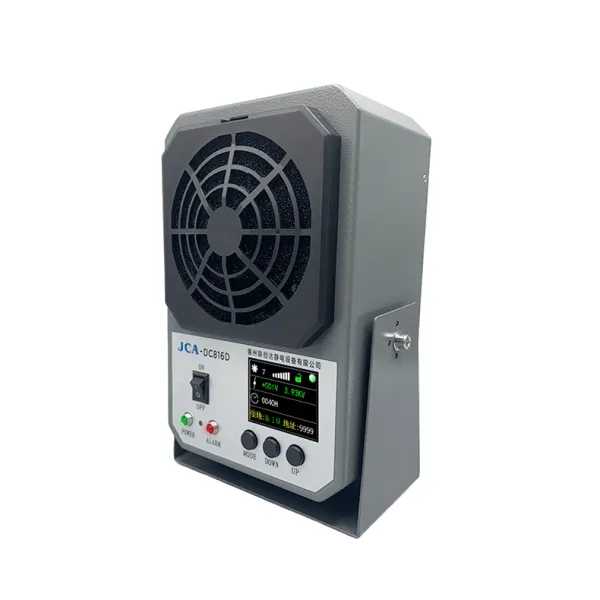 Intelligent DC Ion Fan Manufacturer Workshop Electronic Anti-Static Industrial-Grade Static Elimination Equipment
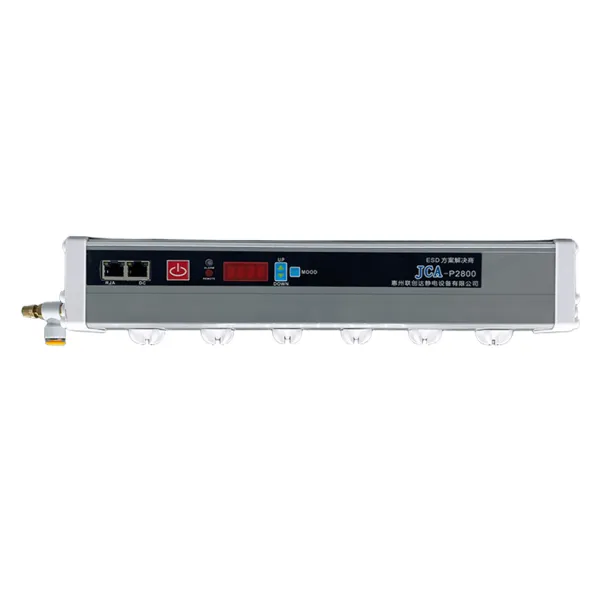 Industrial Static Elimination Pulse-type Anti-static Ion Air Bar Static Eliminator
 2.2-inch color screen three-air outlet ion fan static protection eliminates static electricity
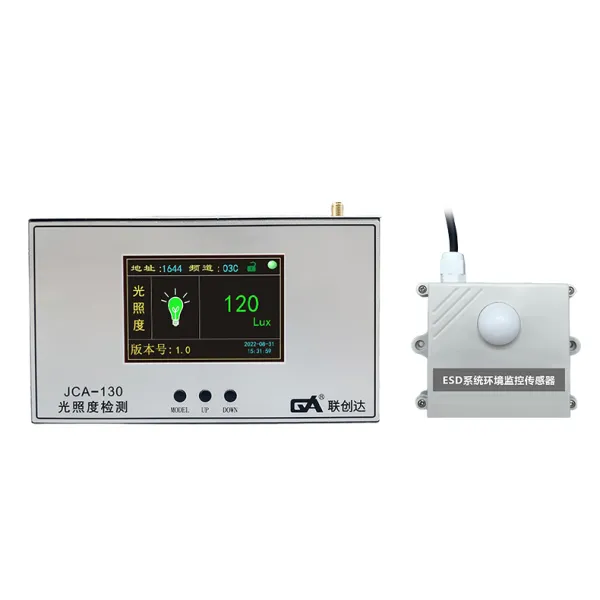 3.5 Inch Color LCD Wireless Digital Lux Meter - High-Precision Environmental Detector with Network Connectivity
 Smart Wireless Noise Detection Alarm System - Digital Tester for Environmental Monitoring with Networking
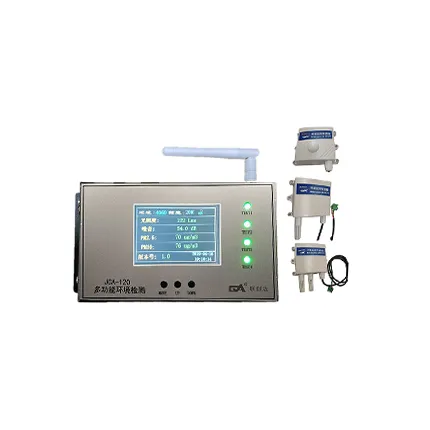 3.5 Inch Color LCD Wireless Multi-Functional Environmental Detector - Dust Particle Tester with WiFi Connectivity
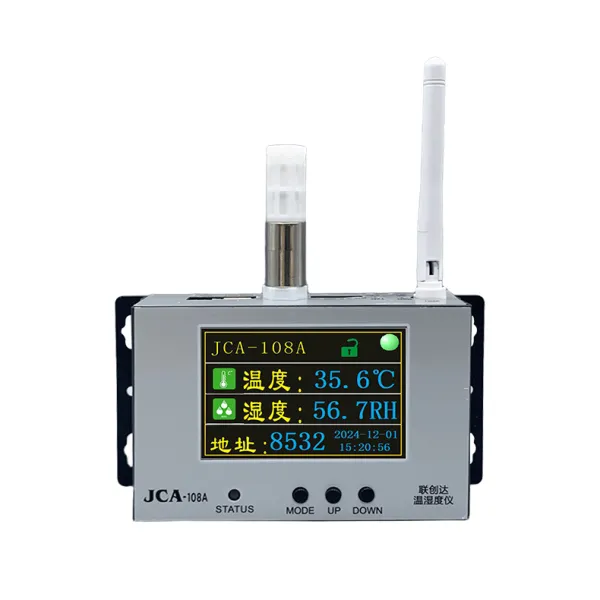 Wireless Temperature & Humidity Monitor - Smart Recorder with Remote Query & Data Transmission
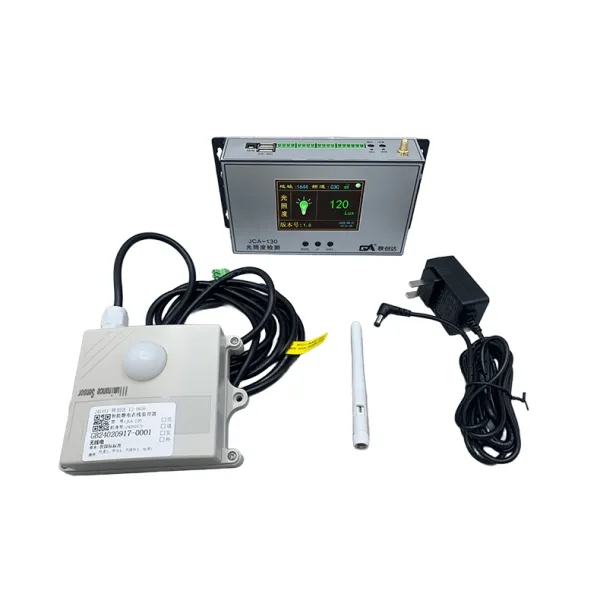 Lianchuangda Wireless Digital Display Illuminance Tester - 3.5-inch LCD Color Screen Dynamic Display High-Precision Environmental Tester



 WhatsApp
 Telefoon
Opmerking
(0)