A Comprehensive Guide to Selecting Multifunctional Ionizer Testers: From Core Performance to Scenario-Based Applications
Selecting the right multifunctional ionizer tester is crucial for effective Electrostatic Discharge (ESD) control in environments ranging from production lines to laboratories. This guide breaks down the key selection criteria across several dimensions to ensure the chosen equipment accurately assesses ionizer performance and meets ESD management requirements.
1. Core Detection Performance: Focusing on Accuracy and Coverage
Discharge Decay Time Detection Capability
This is a key indicator for evaluating the discharge efficiency of an ionizer. Priority should be given to equipment that allows flexible setting of start and stop voltages, such as those supporting common test ranges like ±1000V to ±100V or ±5000V to ±500V, with a timer resolution of ≥0.1 seconds. For instance, the MONROE 287A offers a timer resolution of 0.1 seconds, enabling precise capture of the decay process
. Simultaneously, attention must be paid to the plate's self-discharge rate, which should be controlled within 12V per minute or a self-discharge rate of<10% within 5 minutes (as seen in some models like the 268A), to avoid interference with test results from self-discharge.
Ion Balance Detection Accuracy
The ion balance deviation needs to comply with the ANSI/ESD STM3.1 limit of typically ±35V. During selection, prioritize equipment with a resolution of 1V. For example, the KLEINWACHTER EFM022CPS boasts a high resolution of 1V, allowing it to accurately capture minute voltage offsets
. Furthermore, the zero-point drift indicator is critical; the time drift should be<6V per minute, and the temperature drift should be lower than 10mV/°C. The MONROE 287A, for instance, exhibits a drift of <±4V over 90 seconds, ensuring long-term testing stability.
Voltage Range Adaptability
The range must cover the testing needs of different ionizers. A basic range should at least support ±1100V DC voltage. For high-risk scenarios, models supporting adjustable ranges up to ±5kV or even ±6kV (e.g., ME-268A
) can be selected. If space electrostatic field measurement is also required, equipment with integrated field measurement capabilities, like the EFM022CPS with a range of 0V~±200kV, adaptable for testing at different distances, can be prioritized.
2. Data Processing and Expansion: Balancing Practicality and Connectivity
Data Storage and Output Function
For batch testing on production lines, the equipment must have data storage capacity. Prioritize models capable of storing at least 10 sets of data or more (e.g., the MONROE 287A can store 10 manual and 10 automatic test results
). Simultaneously, the device should be equipped with interfaces like BNC or serial ports to support real-time data export, facilitating integration with the factory's ESD management system. Some advanced models can output a low-voltage signal proportional to the plate voltage via a BNC interface, suitable for subsequent data analysis.
Expansion and Upgrade Capability
For high-demand scenarios, consider equipment that supports modular upgrades. Some models allow for performance enhancements through upgrades, enabling computer connectivity via serial ports for parameter programming and historical data review. Certain models also support the selection of different-sized ion collection plates (e.g., the MONROE 287A can be equipped with an optional 15cm×15cm metal plate
), making them adaptable to various test objects.
3. Operation and Form Factor: Adapting to Scenario Requirements
Portability and Battery Life
For production line patrol inspection scenarios, prioritize lightweight models, ideally weighing under 2kg. For example, the KLEINWACHTER EFM022CPS weighs only 130g
, and the MONROE 287A weighs 0.63kg, making them easy for handheld mobile testing. Regarding battery life, the built-in battery should support continuous operation for over 8 hours. The MONROE 287A, using a 9V battery, can operate for over 40 hours, meeting the needs of prolonged operation.
Ease of Operation
Prioritize equipment with simplified operation. For instance, the KLEINWACHTER EFM022CPS features one-button operation and does not require zeroing before measurement
. Coupled with a HOLD function for value locking, it reduces the operational difficulty for frontline staff. Some models feature independent time and voltage displays on dual lines, allowing for intuitive analysis of decay rates and improving testing efficiency.
4. Compliance and Environmental Adaptation: Ensuring Scenario Applicability
Compliance with Industry Standards
During selection, confirm that the equipment complies with core standards such as IEC 61340-5-1 and ANSI/ESD S20.20. For example, the KLEINWACHTER EFM022CPS complies with EN 61340-5-1 and EOS/ESD S3.1 standards
, and the German KLEINWACHTER CPM-374 also references these key standards. This ensures the test results are compliant and authoritative, suitable for audit tracing.
Anti-Interference and Environmental Tolerance
Factory workshops contain electromagnetic interference from motors, high-frequency equipment, etc. Prioritize equipment with metal shielded enclosures or electrostatic dissipative material housings (e.g., the SIMCO FMX-003 and KLEINWACHTER EFM022CPS use anti-static material housings
). Simultaneously, the equipment must adapt to temperature and humidity fluctuations in the workshop. The operating temperature range should ideally cover 0–40°C, and the humidity adaptation range should be 30%–80% RH, avoiding impact on detection accuracy from environmental factors.
5. Auxiliary Functions: Focusing on Maintenance and Safety
Self-Test and Alarm Functions
Priority should be given to models with built-in self-test functions (e.g., the MONROE 287A has a built-in self-test module
), which can automatically troubleshoot equipment faults. Some high-end models support abnormal alarms, triggering prompts when detected data exceeds standards, facilitating timely detection of ionizer failures.
Safety Protection Design
The equipment must feature an electrostatic dissipative housing to prevent itself from becoming charged and interfering with tests
. For high-voltage testing scenarios, confirm that the equipment has insulation protection to avoid electric shock risks to operators. The accompanying high-voltage generator must comply with safety specifications, such as the insulated design of the CPS022 high-voltage generator.
By comprehensively considering the above dimensions and combining them with specific application scenarios (such as the high precision required in laboratory environments versus the portability and durability needed for production line patrols), you can effectively screen out a multifunctional ionizer tester that truly meets the ionizer performance detection and ESD control requirements.


 English
 Español
 Portugues
 Pусский
 Français
 Deutsch
 日本語
日本語 한국어
한국어 العربية
 Italiano
 Polski
 ไทย
ไทย Türk dili
 हिन्दी
 Indonesia
 Melayu
 Tiếng Việt
 বাংলা
বাংলা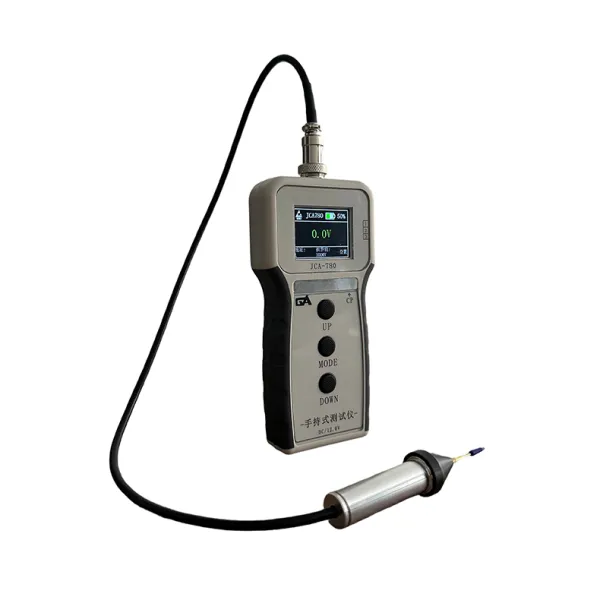 Portable Compact Isolated Conductor Tester - Precise Static Voltage Meter with Touchscreen Operation
 Touch-Operated Handheld ESD Tester - Accurate Static Detection Instrument
 Anti-Static High-Frequency Smart Soldering Station - Industrial-Grade Lead-Free Soldering Iron for Electronic Repair
 Lightweight Precision Industrial Scale - Portable High-Precision Weighing, QR Code Data Recording
 Pro ESD Human Body Comprehensive Tester - Anti-Static Access Gate with Biometric & Card Recognition
 Lianchuangda Portable Particle Counter - Cleanroom-Specific Air Cleanliness Tester
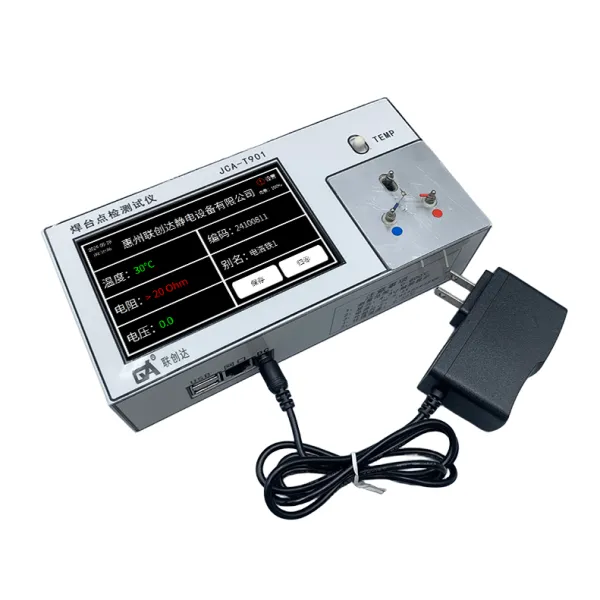 Lianchuangda Environmental Pressure Tester Wireless Digital Display & Grounding Monitoring
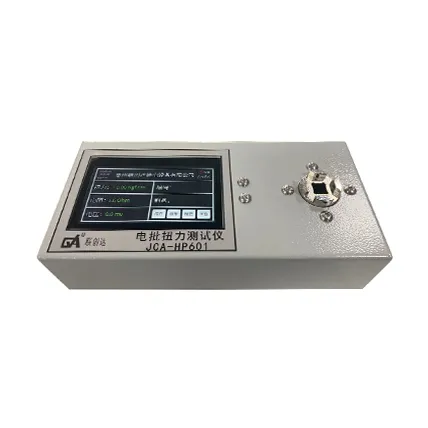 Digital Electric Screwdriver Torque Tester - Precise Measurement, Smart Data Storage
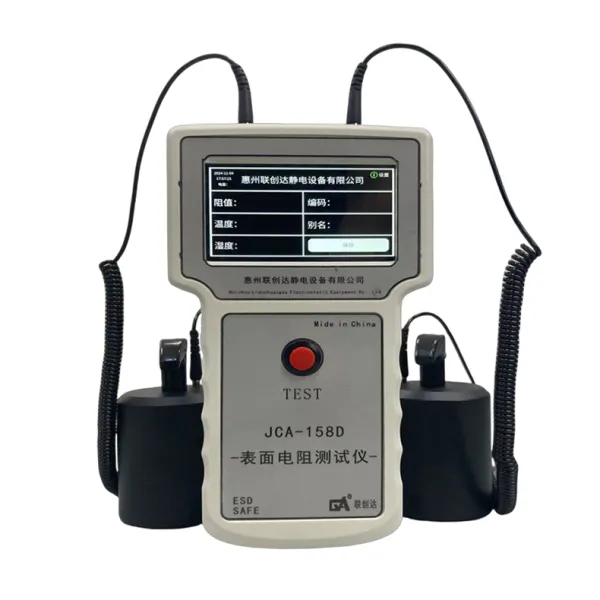 Portable Hammer Surface Resistance Tester - Smart Industrial Megohmmeter with Data Networking
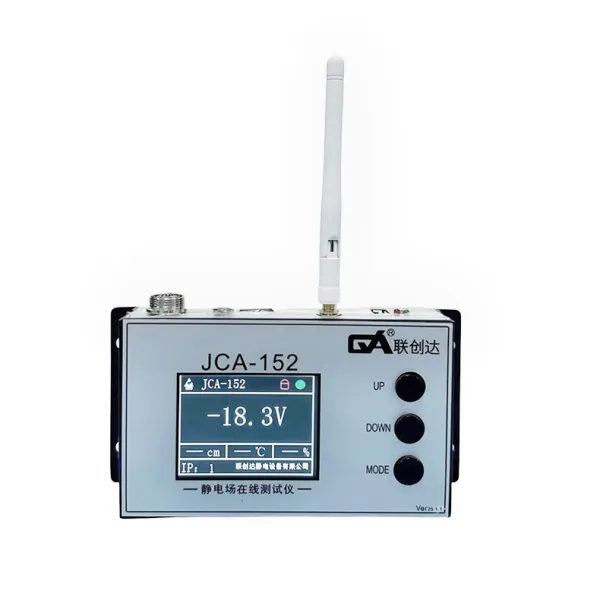 Wireless ESD Field Tester - Real-Time Voltage Monitoring, Easy Installation & Visual Operation
 Color Screen Wireless Ion Fan Static Tester with Voltage Measurement & Data Transmissio
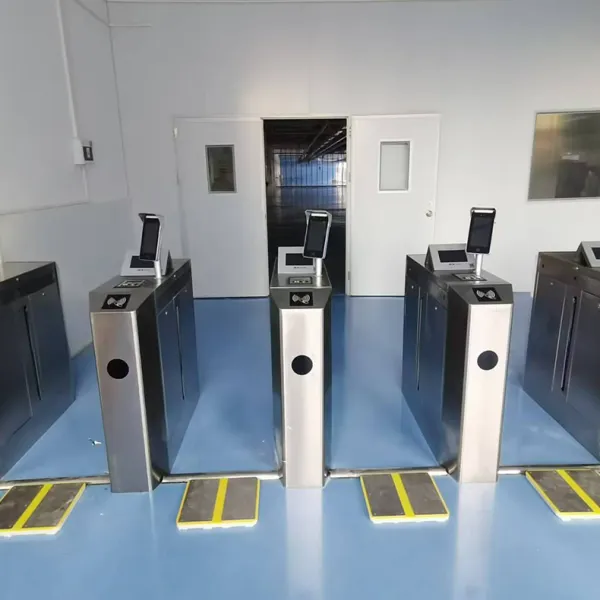 Lianchuangda Test Anti-static Access Control Turnstile JCA-S106 Supports MySQL Database
 Suspended 3-Head DC Ion Fan - Smart Quiet Static Eliminator, Customizable
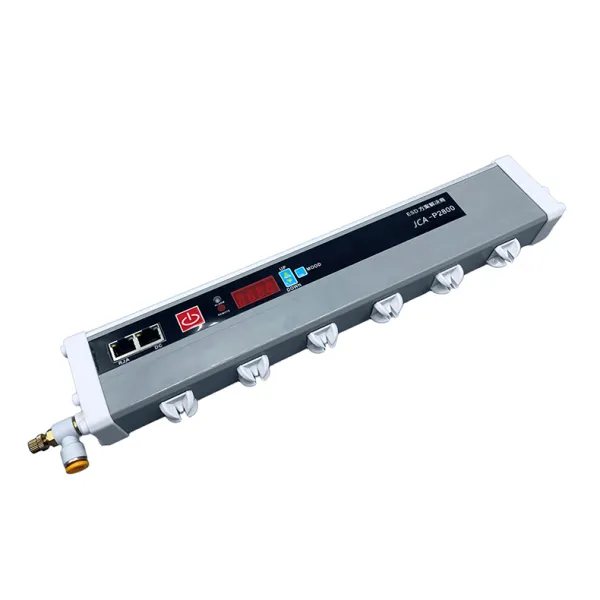 Pulse-Type ESD Ion Air Bar - Industrial-Specific Static Eliminator for ESD Removal
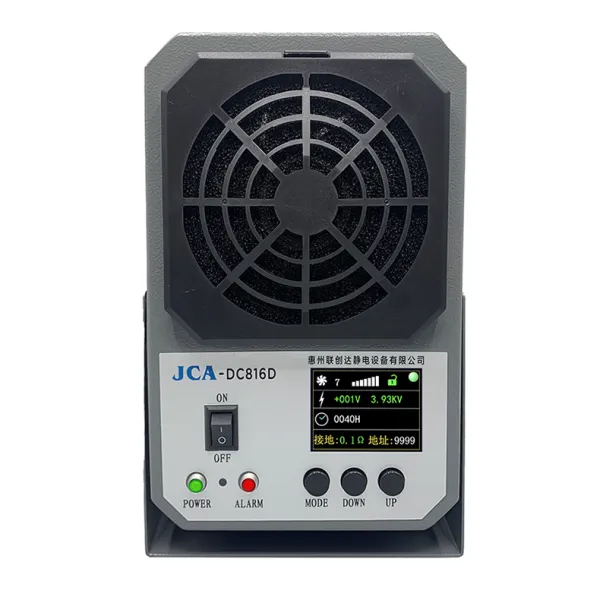 Lianchuangda Smart DC Ion Fan - Industrial-Grade Static Elimination for Factory Workshops
 Desktop DC Single-Head Ion Fan - Professional Static Eliminator with Wireless Network Connectivity
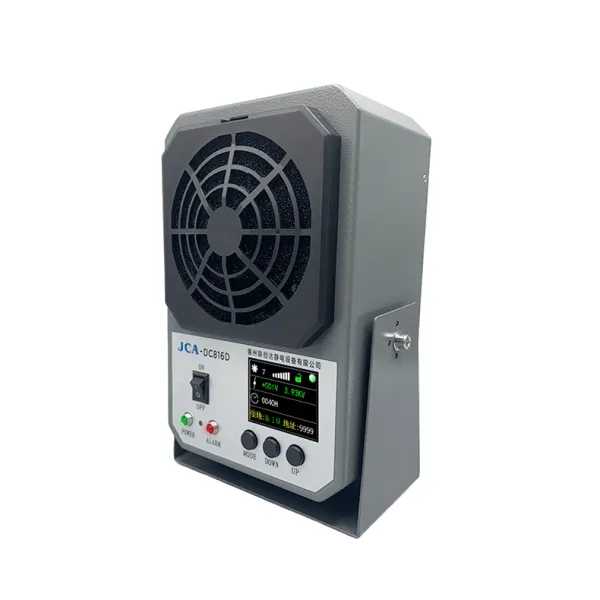 Intelligent DC Ion Fan Manufacturer Workshop Electronic Anti-Static Industrial-Grade Static Elimination Equipment
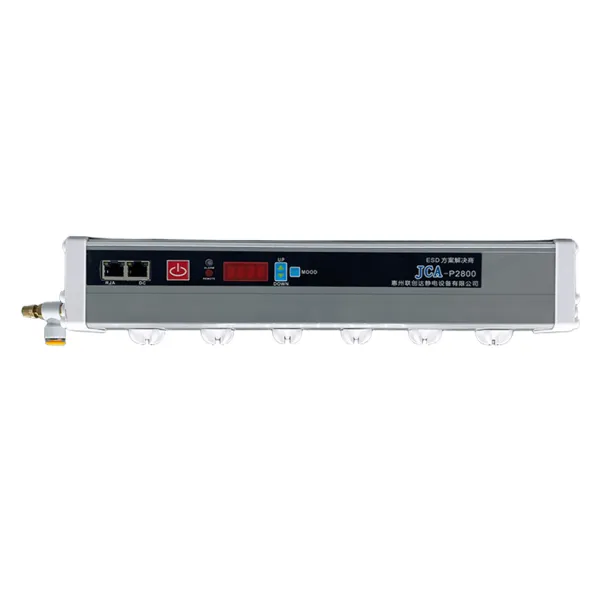 Industrial Static Elimination Pulse-type Anti-static Ion Air Bar Static Eliminator
 2.2-inch color screen three-air outlet ion fan static protection eliminates static electricity
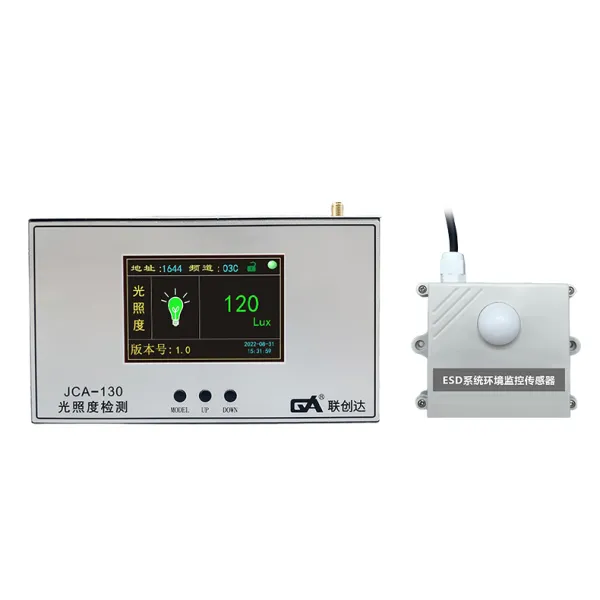 3.5 Inch Color LCD Wireless Digital Lux Meter - High-Precision Environmental Detector with Network Connectivity
 Smart Wireless Noise Detection Alarm System - Digital Tester for Environmental Monitoring with Networking
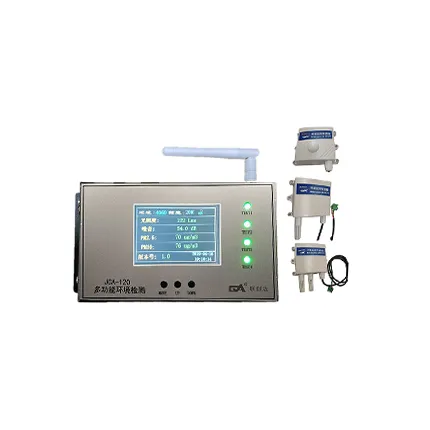 3.5 Inch Color LCD Wireless Multi-Functional Environmental Detector - Dust Particle Tester with WiFi Connectivity
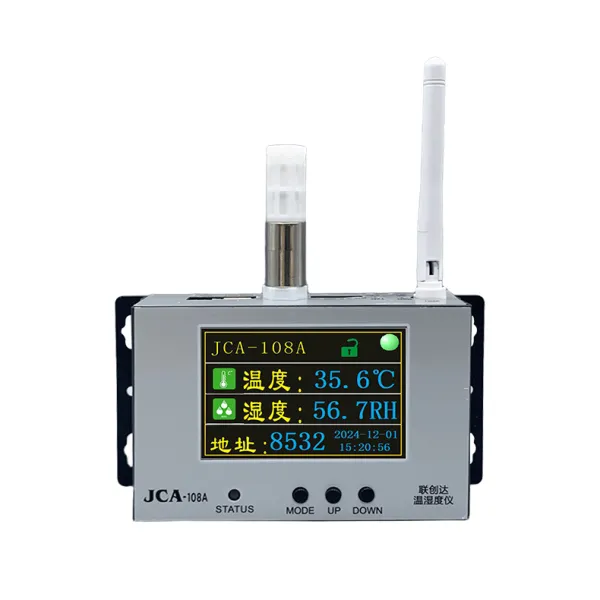 Wireless Temperature & Humidity Monitor - Smart Recorder with Remote Query & Data Transmission
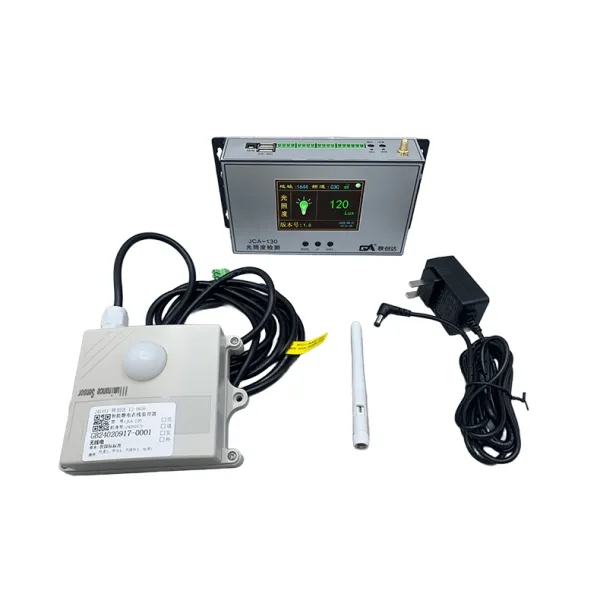 Lianchuangda Wireless Digital Display Illuminance Tester - 3.5-inch LCD Color Screen Dynamic Display High-Precision Environmental Tester



 WhatsApp
 Telefoon
Opmerking
(0)