


 English
 Español
 Portugues
 Pусский
 Français
 Deutsch
 日本語
日本語 한국어
한국어 العربية
 Italiano
 Polski
 ไทย
ไทย Türk dili
 हिन्दी
 Indonesia
 Melayu
 Tiếng Việt
 বাংলা
বাংলা


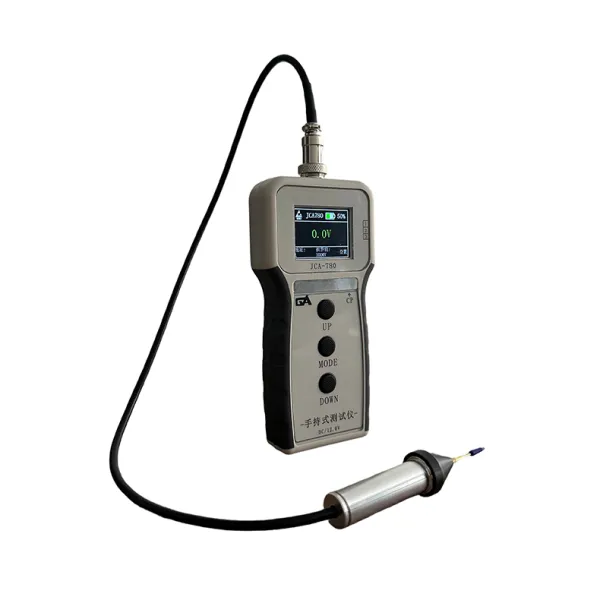


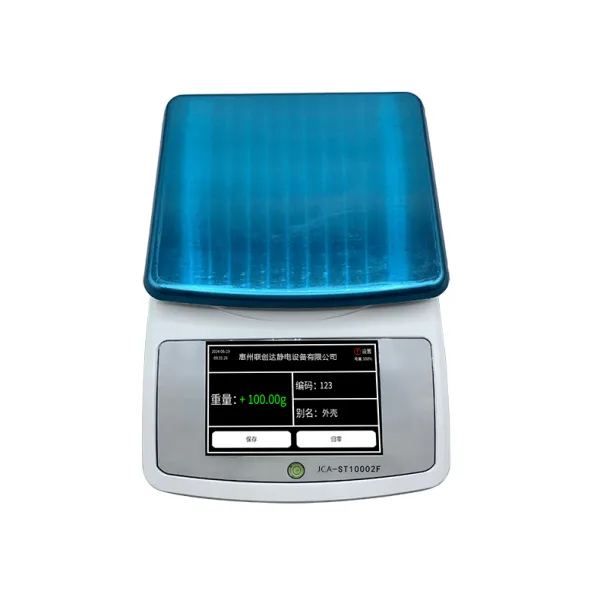
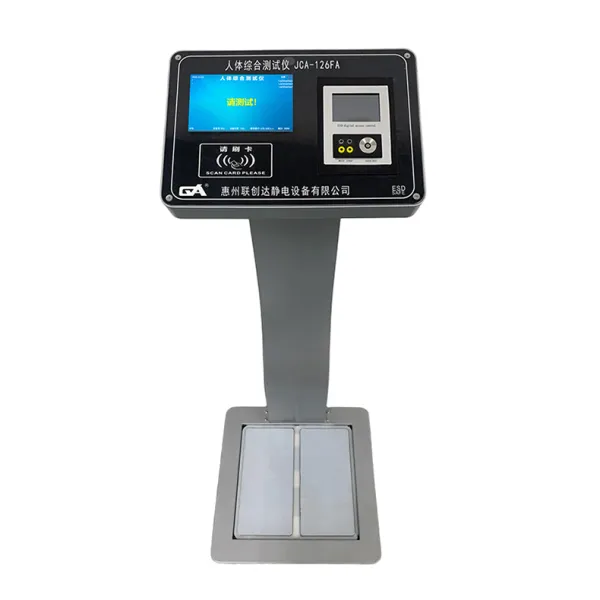
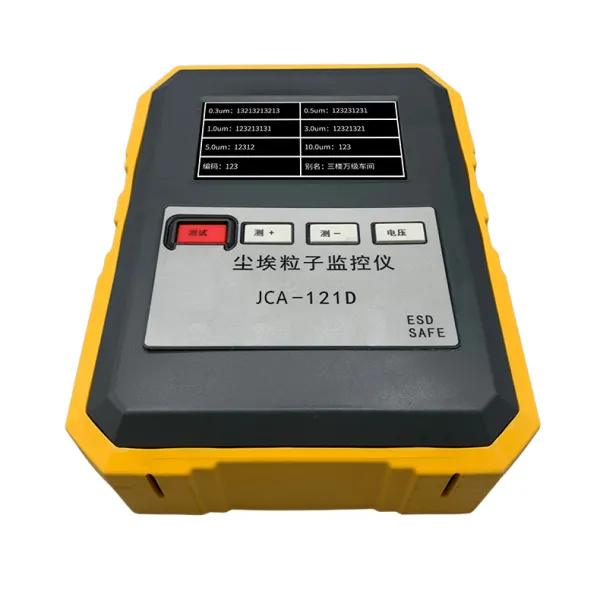
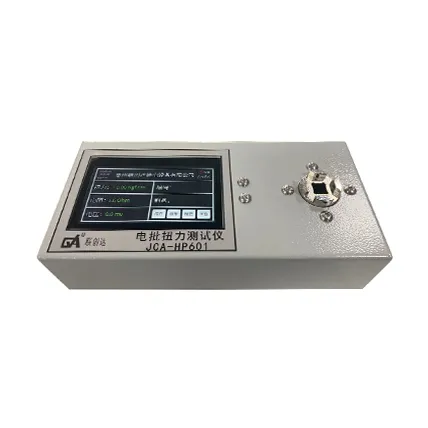
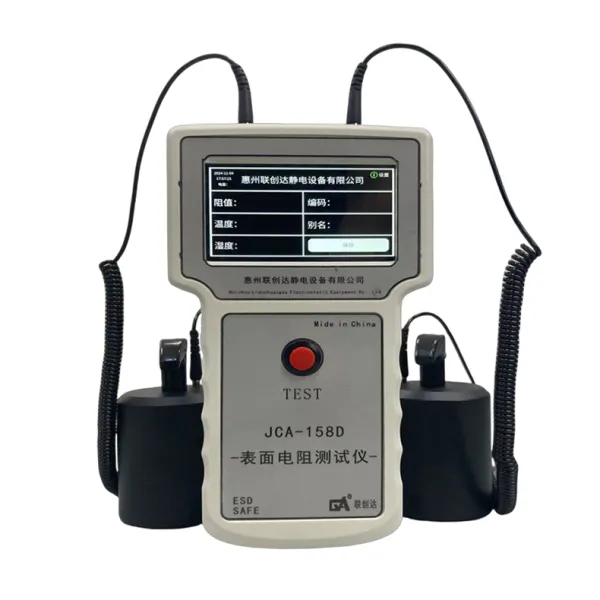
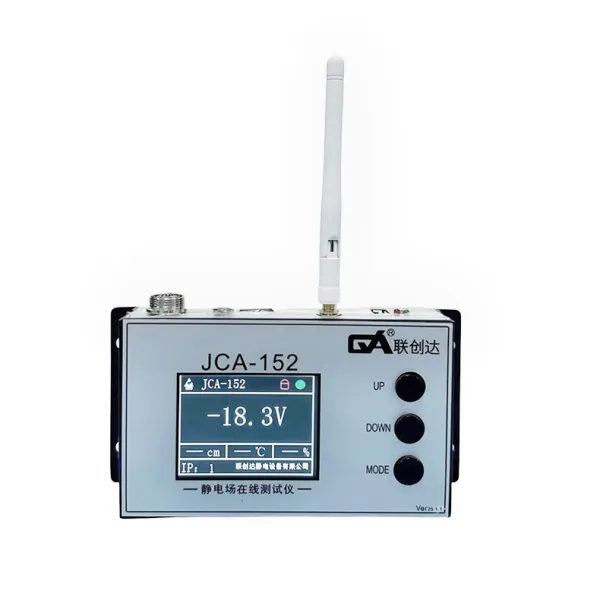





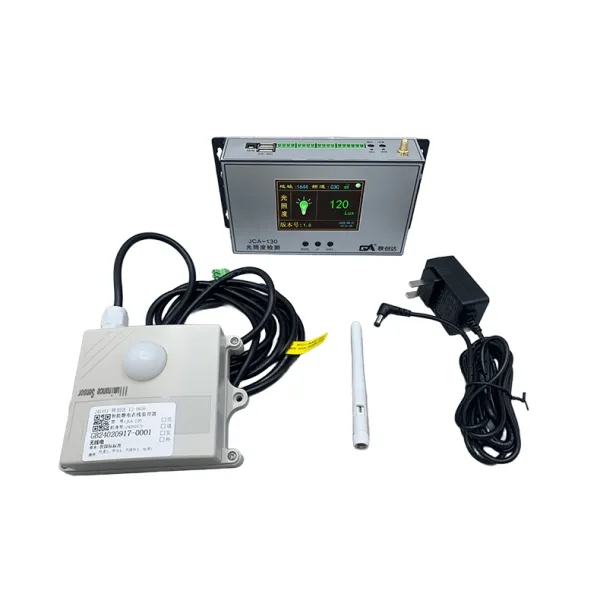


Tip Thermometer Soldering
Tip Thermometer for Soldering: A Comprehensive Guide A tip thermometer is an essential tool for soldering, designed to measure the temperature of a soldering iron’s tip accurately. Maintaining the correct tip temperature is critical for achieving high-quality solder joints, preventing damage to components, and ensuring efficient workflow. This guide explores the importance, functionality, and best practices for using a tip thermometer in soldering applications. Importance of Tip Temperature in Soldering Soldering requires precise temperature control to melt solder effectively without overheating sensitive components. If the tip is too cold, the solder may not flow properly, leading to weak or incomplete joints. Conversely, excessive heat can damage PCBs, desolder adjacent components, or degrade the soldering tip itself. A tip thermometer helps users verify and adjust the iron’s temperature settings, ensuring consistent performance. How a Tip Thermometer Works A tip thermometer typically features a high-temperature sensor, such as a thermocouple or infrared detector, enclosed in a heat-resistant probe. To measure the tip temperature: 1. Turn on the soldering iron and allow it to reach its operating temperature. 2. Place the thermometer’s probe against the soldering tip, ensuring good contact. 3. Wait for the reading to stabilize, then record the temperature. Some advanced models include digital displays, data logging, or adjustable calibration for enhanced accuracy. Best Practices for Using a Tip Thermometer - Regular Calibration: Periodically check the thermometer’s accuracy against a known reference to ensure reliable readings. - Proper Contact: Ensure the probe makes full contact with the tip for an accurate measurement. - Monitor Temperature Drift: Soldering tips can lose heat over time; recheck the temperature periodically during extended use. - Clean the Tip: Oxidation or debris on the tip can affect temperature readings, so clean the tip before measurement. Applications Beyond Soldering While primarily used for soldering, tip thermometers are also valuable in: - Desoldering: Verifying temperature settings to avoid PCB damage. - Rework Stations: Ensuring consistent heat for precision work. - Quality Control: Confirming that soldering equipment meets industry standards. Conclusion A tip thermometer is a simple yet indispensable tool for soldering professionals and hobbyists alike. By providing real-time temperature feedback, it helps optimize soldering performance, prolong tip life, and prevent costly errors. Whether working on electronics repair, PCB assembly, or prototyping, integrating a tip thermometer into your workflow ensures precision and reliability in every soldering task. Investing in a high-quality tip thermometer enhances efficiency and solder joint integrity, making it a must-have for any soldering toolkit.
Product
Classificatie:
-
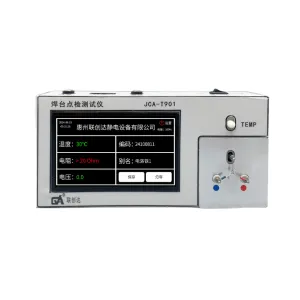
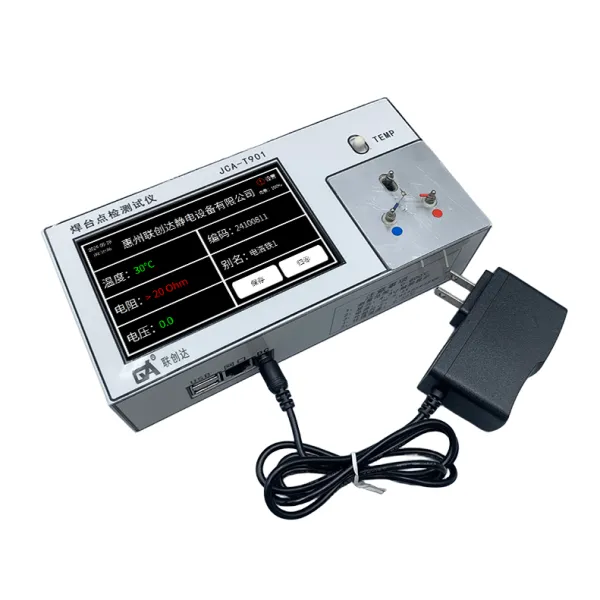
JCA-T901 Soldering Station Spot Detection Tester: Real-time Monitoring of Leakage Voltage with a Temperature Range of 0-600℃, and Network-enabled Data Transmission
Hun classificatie: Instrument detectionBekeken: 18Nummer:Release tijd: 2025-11-13 11:37:44Product OverviewThis is a newly developed multifunctional device specifically engineered for the detection and data management of soldering stations. It accurately captures and records soldering station temperature data, retrieves the station’s unique identifier via barcode/QR code scanning, and automatically matches and archives corresponding test parameters. All data is seamlessly transmitted to computers via network connection for centralized storage and convenient later querying, effectively eliminating human errors associated with manual recording and ensuring data integrity.Product Featu...
Nieuws
Classificatie:
Geen zoekresultaten!
Geval
Classificatie:
Geen zoekresultaten!
Video
Classificatie:
Geen zoekresultaten!
Download
Classificatie:
Geen zoekresultaten!
Werving
Classificatie:
Geen zoekresultaten!
Aanbevolen producten
Geen zoekresultaten!



 WhatsApp
 Telefoon