


 English
 Español
 Portugues
 Pусский
 Français
 Deutsch
 日本語
日本語 한국어
한국어 العربية
 Italiano
 Polski
 ไทย
ไทย Türk dili
 हिन्दी
 Indonesia
 Melayu
 Tiếng Việt
 বাংলা
বাংলা


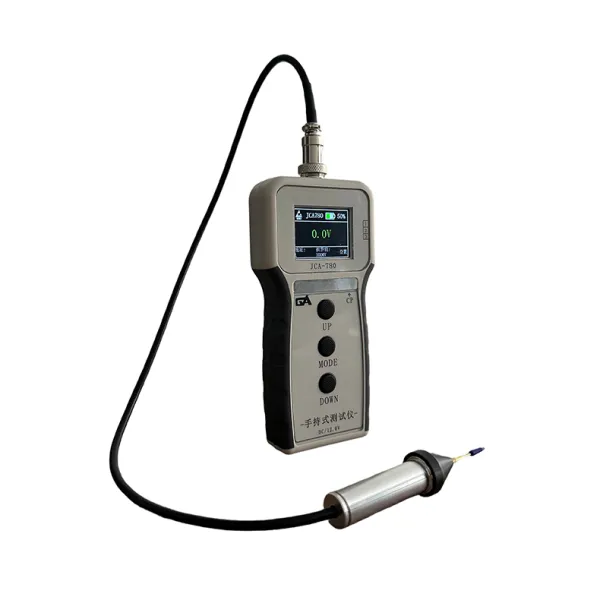


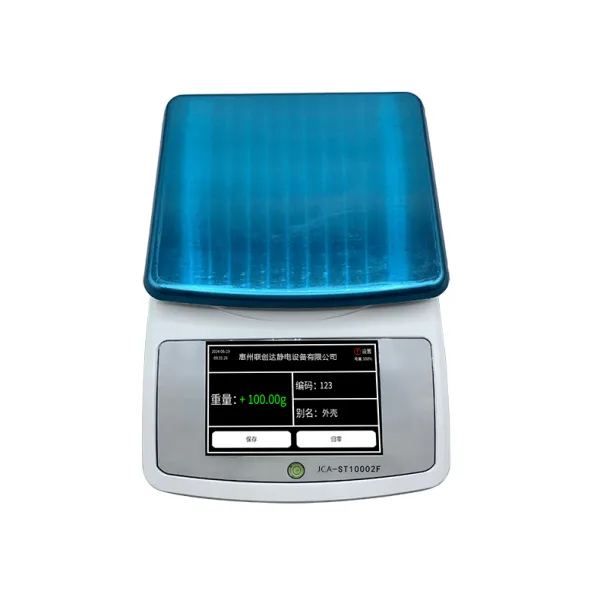
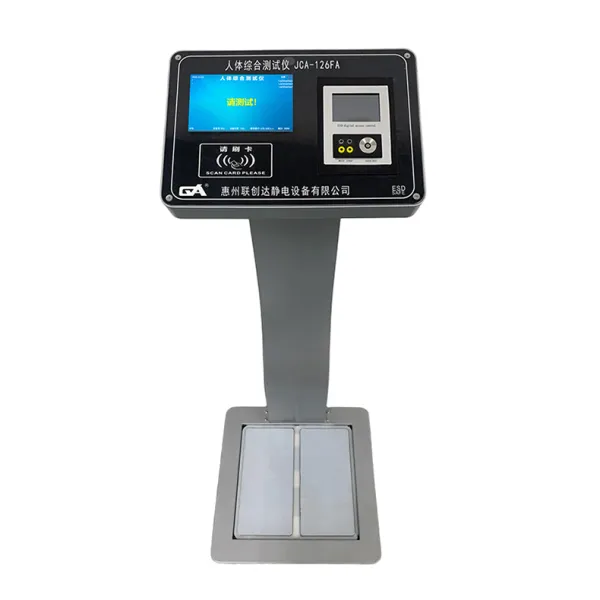
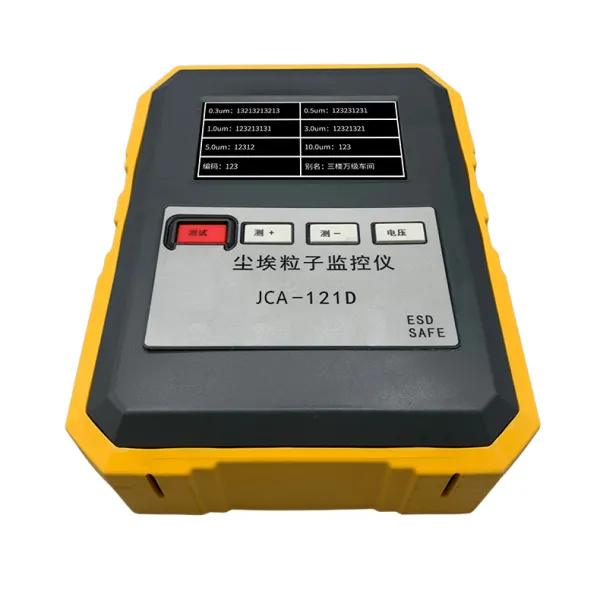
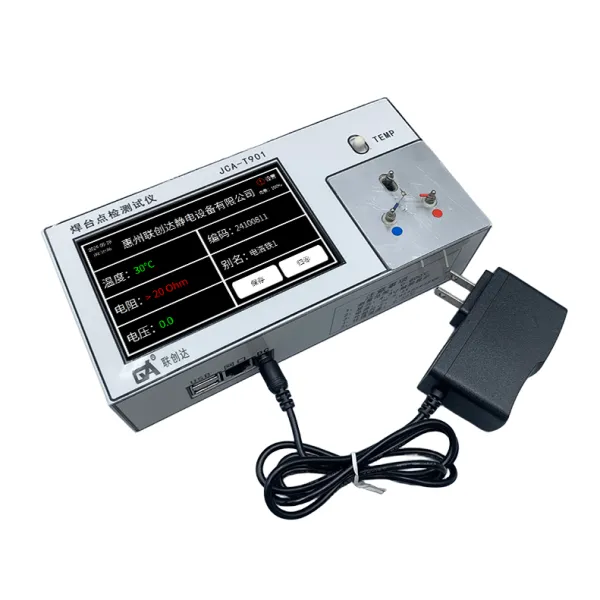
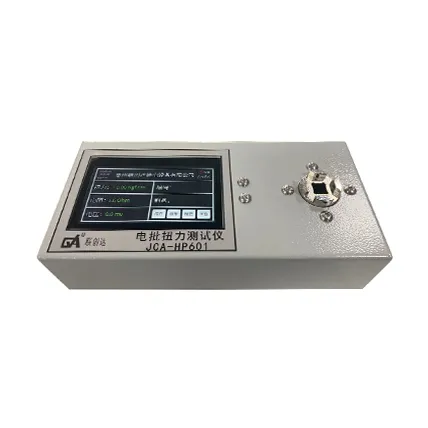
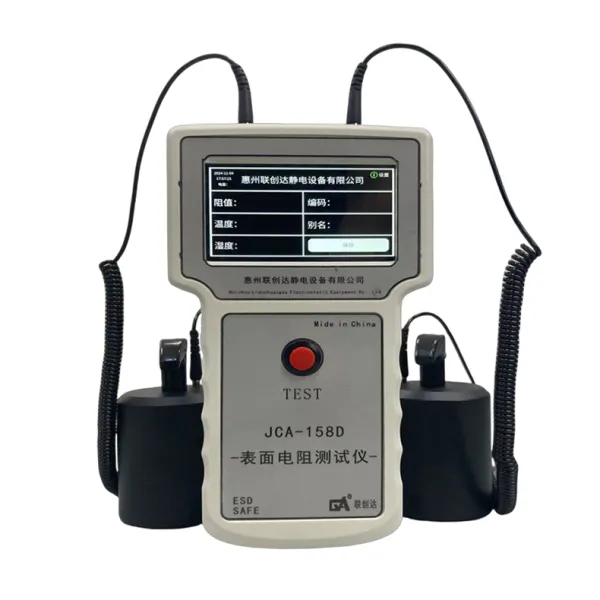
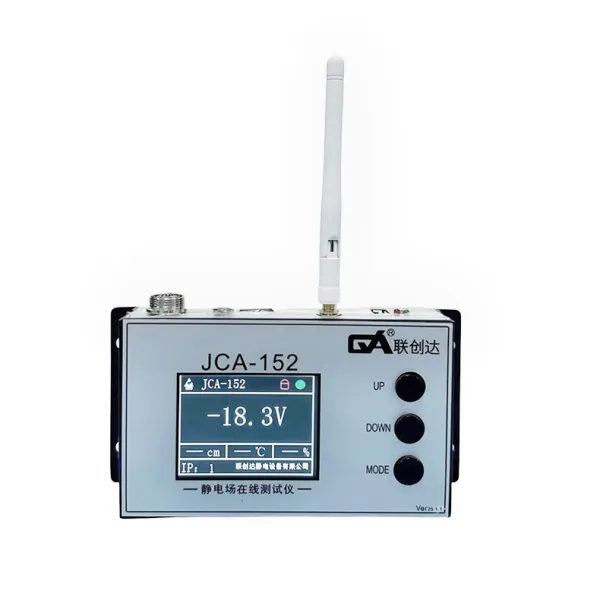





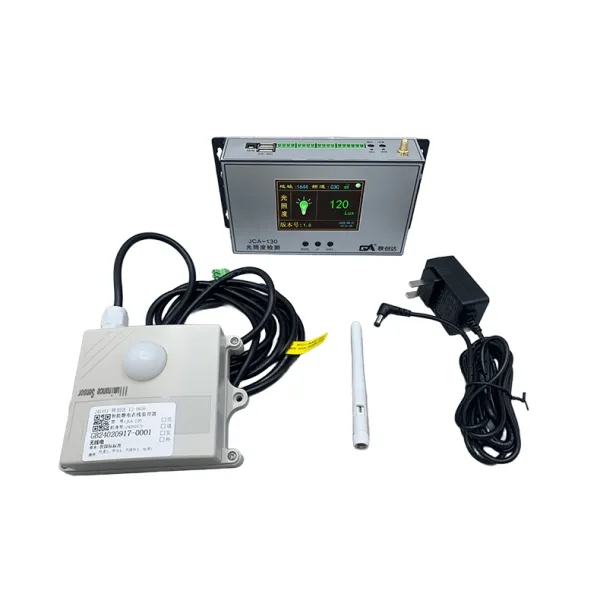


Thermohygrometer
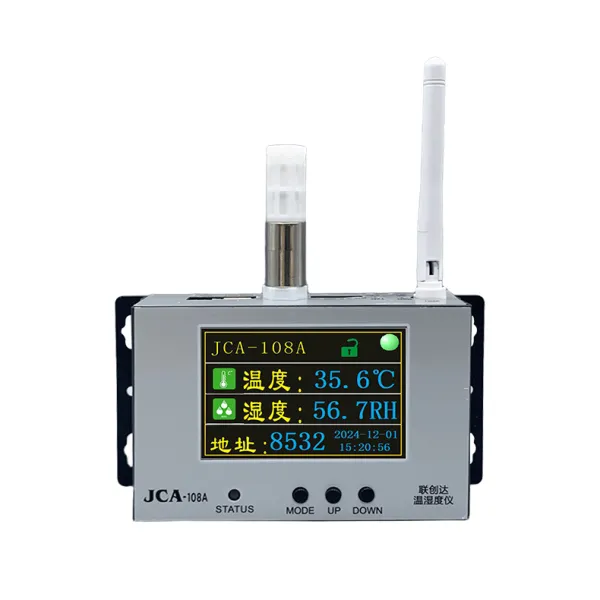
Thermohygrometer: A Comprehensive Overview A thermohygrometer is an essential instrument used to measure both temperature and relative humidity in various environments. Combining the functionalities of a thermometer and a hygrometer, this device provides critical data for applications ranging from industrial processes to home comfort monitoring. Its accuracy, ease of use, and versatility make it indispensable in multiple fields. Functionality and Components A thermohygrometer typically consists of two primary sensors: 1. Temperature Sensor: Measures ambient air temperature, often using thermistors, resistance temperature detectors (RTDs), or semiconductor-based sensors. 2. Humidity Sensor: Detects relative humidity (RH), commonly utilizing capacitive or resistive sensing elements that react to moisture changes. Modern digital thermohygrometers integrate these sensors with microprocessors to display real-time readings on an LCD or LED screen. Some advanced models feature data logging, wireless connectivity, and alarms for threshold breaches. Applications 1. Indoor Climate Control: Used in homes, offices, and greenhouses to maintain optimal comfort and prevent mold growth by monitoring humidity levels. 2. Industrial & Manufacturing: Critical in pharmaceuticals, food storage, and electronics manufacturing, where temperature and humidity must be tightly regulated. 3. Meteorology & Agriculture: Helps track environmental conditions for weather forecasting and crop management. 4. HVAC Systems: Assists in calibrating heating, ventilation, and air conditioning systems for energy efficiency. 5. Museums & Archives: Protects artifacts and documents by ensuring stable humidity and temperature. Types of Thermohygrometers - Analog: Uses mechanical dials and needles; durable but less precise. - Digital: Offers higher accuracy, additional features (e.g., dew point calculation), and user-friendly interfaces. - Wall-Mounted/Pocket-Sized: Designed for stationary or portable use. - Smart Devices: Equipped with Wi-Fi/Bluetooth for remote monitoring via smartphones. Calibration and Maintenance Regular calibration against reference standards ensures accuracy. Humidity sensors may drift over time due to contamination or aging, necessitating periodic checks. Proper storage in stable conditions prolongs the device’s lifespan. Conclusion The thermohygrometer is a vital tool for ensuring environmental stability across industries and daily life. Its dual-measurement capability, coupled with advancing technology, makes it a cornerstone in precision monitoring, health, and safety. Whether for professional or personal use, selecting the right model depends on accuracy needs, environment, and additional functionalities required. (Word count: 500)
Product
Classificatie:
Geen zoekresultaten!
Nieuws
Classificatie:
Geen zoekresultaten!
Geval
Classificatie:
Geen zoekresultaten!
Video
Classificatie:
Geen zoekresultaten!
Download
Classificatie:
Geen zoekresultaten!
Werving
Classificatie:
Geen zoekresultaten!
Aanbevolen producten
Geen zoekresultaten!



 WhatsApp
 Telefoon